
‘Mani’
Whispers of the Himalayas: The spiritual meaning of Mani in Khumbu Region
Phone: 9803162025
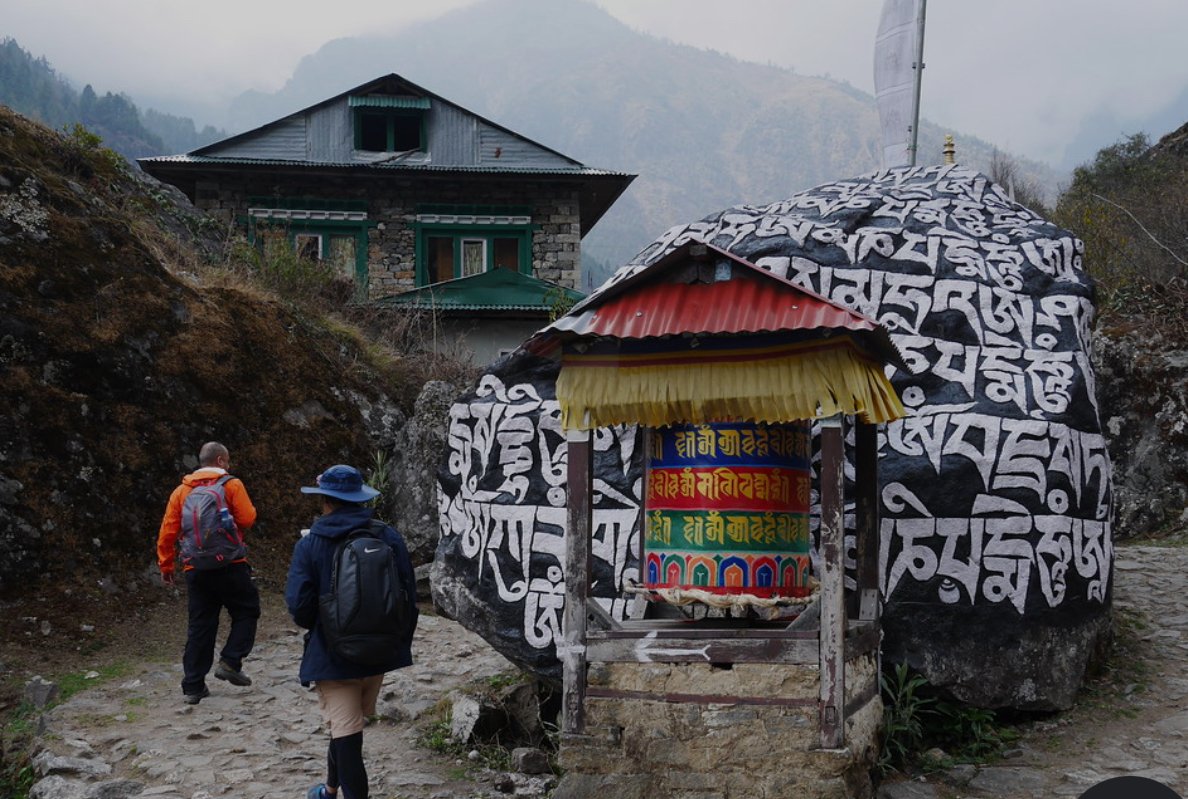
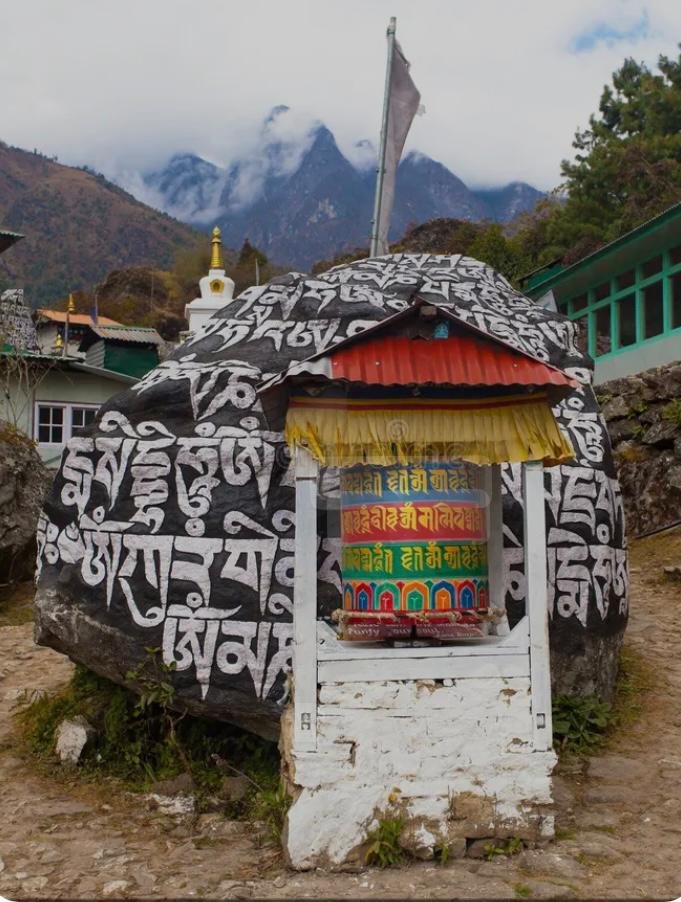
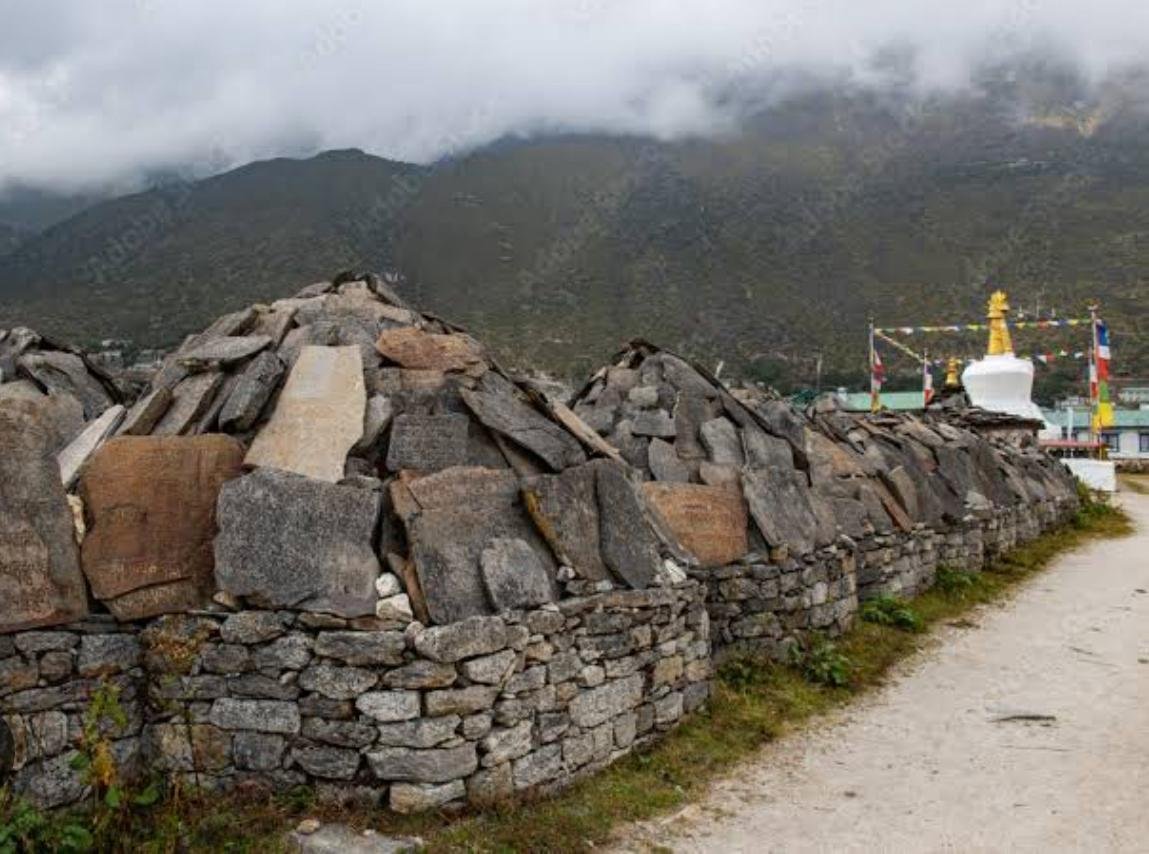
“Mani”, whether in the form of prayer wheels or intricately carved stones with Tibetan script, is a sacred and ever-present symbol of Buddhist culture found throughout Nepal’s Khumbu region. Deeply rooted in Tibetan Buddhism, these spiritual artifacts are found lining the trails, perched near Monasteries, and scattered throughout mountain villages, especially along the Everest Base Camp route.
The most commonly inscribed mantra is ‘Om Mani Padme Hum,’ a powerful chant associated with compassion and spiritual purification. Locals and trekkers alike honor this tradition by walking clockwise around Mani walls and spinning prayer wheels as they pass. This act is more than rituals; it is a reflection of deep reverence, believed to accumulate merit(punya) and peaceful energy.
Mani stones are not just decorative, they embody spiritual energy. The act of craving, reciting, or spinning this mantra is through to calm the mind, purify the soul, and remind travelers to move with humility and mindfulness. In this silence of the high Himalayas, these stones whisper ancient prayers connecting each footstep to a much deeper spiritual path.
For the local sherpa people, these sacred acts are also a way of seeking blessings from Khumbiyulha, the protective Mountain deity believed to reside in the peaks of the Khumbu. Respecting Mani stones and following these traditions are not only spiritual practices, they are also a form of deep cultural connection and devotion to the sacred landscape of the Himalayas.
Announcements by ‘Mani’
"*" indicates required fields